




What Type Of Home Theater Is Right For You?
Creating a home theater is all about bringing the cinematic experience into your own space—whether that’s a dedicated room, a living area, or even an outdoor setup. This video introduces the primary considerations you should address when designing your home theater, and shows how modern technology has made high-quality entertainment more accessible than ever. From massive screens and advanced sound solutions to smart home features like lighting and automation, there are countless ways to tailor a setup to your lifestyle, space, and budget.

How to Pick the Perfect Home Theater Display for Your Space
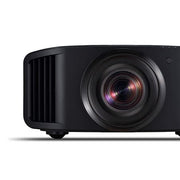
Choosing the right video display is key to creating a home theater that truly wows. Whether it’s a massive OLED TV, a traditional projector, or an ultra-short-throw setup, your choice shapes how you experience every scene. This guide breaks down TVs vs projectors, 4K vs 8K, HDR, and emerging tech like Micro LED and video walls. Find the perfect display for your space and elevate movie night into an unforgettable cinematic event.

Creating the Ultimate Sound Experience
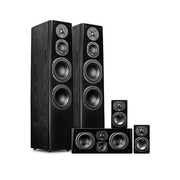
Discover how to transform your movie nights with immersive home theater audio. This guide from World Wide Stereo breaks down everything from basic 2.1 speaker setups to full Dolby Atmos configurations, including speaker placement, amplification tips, and soundbar alternatives. Whether you're upgrading a living room TV or building a dedicated theater, learn how to match your system to your space for the best cinematic sound experience possible—no matter your budget or room size.
Upcoming Guides
-

Part 4: Furniture & Seating
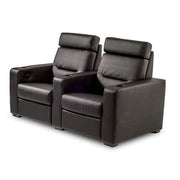
Home theater seating plays a critical role in comfort, immersion, and overall viewing experience. This guide explains how furniture choice, seating layout, sightlines, and materials affect sound, focus, and cinematic realism—helping you design a home theater that disappears so the movie can take over.
-

Part 5: Lighting Control & Environment
Home theater environment and control systems play a crucial role in immersion and comfort. This guide explains how lighting, motorized shades, temperature control, and smart automation work together to remove distractions and create a seamless, cinematic experience at home.


View Our Best Gear of the Year


The Best Projectors of 2026
The Best Projectors of 2026





Consult with an Expert
Consult with an Expert
Home Theater Design FAQs
Where do you start when designing a home theater at home?
Where do you start when designing a home theater at home?
The best first step is planning the room around your viewing habits. A great home theater design starts with understanding how the space will be used, where seating will go, what screen size fits comfortably, and how sound will move through the room. Equipment comes later, once the layout is right.
What makes a home theater different from a regular TV setup?
What makes a home theater different from a regular TV setup?
A true home theater is designed for immersion. It combines a cinematic display, impactful surround sound, and a room layout that supports comfort, clarity, and realism. The difference isn’t just bigger speakers or a larger screen, it’s the entire experience working together.
Can you build a great home theater in a living room or multi-use space?
Can you build a great home theater in a living room or multi-use space?
Yes. Many modern home theaters are built in living rooms, basements, or open-concept media spaces. The key is choosing the right display brightness, managing lighting, and selecting audio solutions that work without requiring a dedicated theater room.
What should you prioritize first: audio, video, or the room itself?
What should you prioritize first: audio, video, or the room itself?
The room always comes first. The best home theater systems are designed around the space, not forced into it. Once seating distance, lighting, and acoustics are understood, you can choose the right screen and speaker layout to match the environment.
How do you choose between a projector and a large TV for a home theater?
How do you choose between a projector and a large TV for a home theater?
The right choice depends on room lighting and screen size goals. Projectors are ideal for dedicated dark rooms and oversized cinematic screens. TVs are often better in brighter spaces where everyday viewing and higher contrast performance matter most.
What is the best screen size for a home theater room?
What is the best screen size for a home theater room?
The ideal screen size is based on seating distance, room dimensions, and viewing comfort. A well-designed home theater screen should fill your field of view without feeling overwhelming. Bigger isn’t always better, proper sizing creates the most cinematic result.
What display features matter most for cinematic picture quality?
What display features matter most for cinematic picture quality?
Beyond resolution, features like HDR performance, contrast, and color accuracy have the biggest impact. Technologies like OLED, high-end LED, and even Micro LED can deliver stunning results, but the best choice depends on your room lighting and usage.
Why is sound so important in home theater design?
Why is sound so important in home theater design?
Audio is what creates realism and emotional impact. While the screen draws your attention, immersive sound places you inside the scene. Clear dialogue, powerful bass, and true surround effects are often what make a home theater feel dramatically different from a standard TV room.
What surround sound setup is best for my room size?
What surround sound setup is best for my room size?
Smaller spaces often work best with a high-quality 5.1 system or premium soundbar solution. Larger dedicated theaters can benefit from Dolby Atmos speaker layouts like 7.2.4. The best home theater audio design matches the system scale to the room, not just the spec sheet.
How much does it cost to build a home theater, and is professional help worth it?
How much does it cost to build a home theater, and is professional help worth it?
Home theater budgets range widely, from simple upgrades to full custom theater rooms. Working with a professional designer or installer can help you avoid common mistakes, plan wiring and speaker placement correctly, and ensure your investment performs as intended long-term.


